Dr. Keith Witt
Clinical Psychologist, Teacher
Hundred States Meditation
By Dr. Keith Witt
/
July 6, 2026
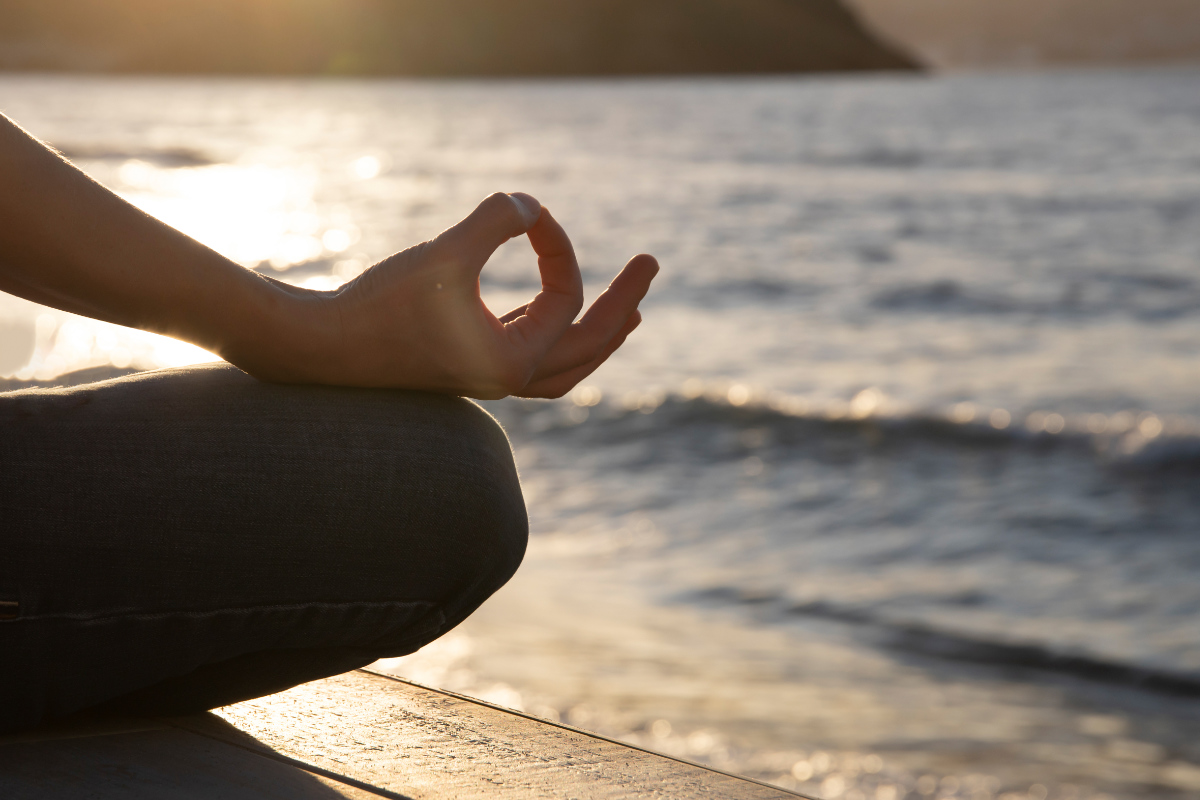
Ken Wilber was asked once about developing a contemplative practice, and he suggested that one learn a tradition and then supplement it over a lifetime. That certainly has been my path. My initial training was sitting zazen before and after Shotokan Karate classes when I was 15. Over the years I’ve kept adding practices that felt like they helped me grow, connected me to the Other World, and increased my capacities as a psychotherapist.
Part of the reason I kept adding different states of consciousness to my meditation practices is that I wanted my unconscious to be familiar with shifting from one transcendent state to another, and to have the neuronetworks of those states strengthened by daily activation. We know that repeated experience of a state activates oligodendrocytes in the brain to myelinate and strengthen the neurocircuitry, making the networks faster, stronger, and more deeply embedded in our Shadow self, our adaptive unconscious.
Knowing, generating, and regulating to transcendent states is tremendously useful for therapists. Psychotherapy involves constant empathic resonance and cocreation of states with clients. Therapists are always alert for opportunities for transformative experiences, often characterized by deep emotional resonance. Diana Fosha, the originator of AEDP (Accelerated Experiential Dynamic Psychotherapy) calls the emotional signatures of such states “Transformance emotions,” and an important part of her system is eliciting and reflecting on transcendent experiences like awe, unity, overwhelming joy, deep love, and profound connectedness. She’s found that instantiating and reflecting on these states accelerates development and growth in her clients.
A central goal of contemplative practices is to transform extraordinary states into ordinary experiences—essentially making the Other World a constant companion. That certainly has been the case for me, and I attribute at least some of those capacities to my 100 States Meditation.
Get my FREE Art and Science of Relationships Series
I’m a licensed clinical psychologist, lecturer and author dedicated to studying, teaching, and creating transformative healing systems. I’ve been practicing psychotherapy for 40 years.
I want to give you access to the really GOOD stuff.
And I want to give it to you free of charge.